
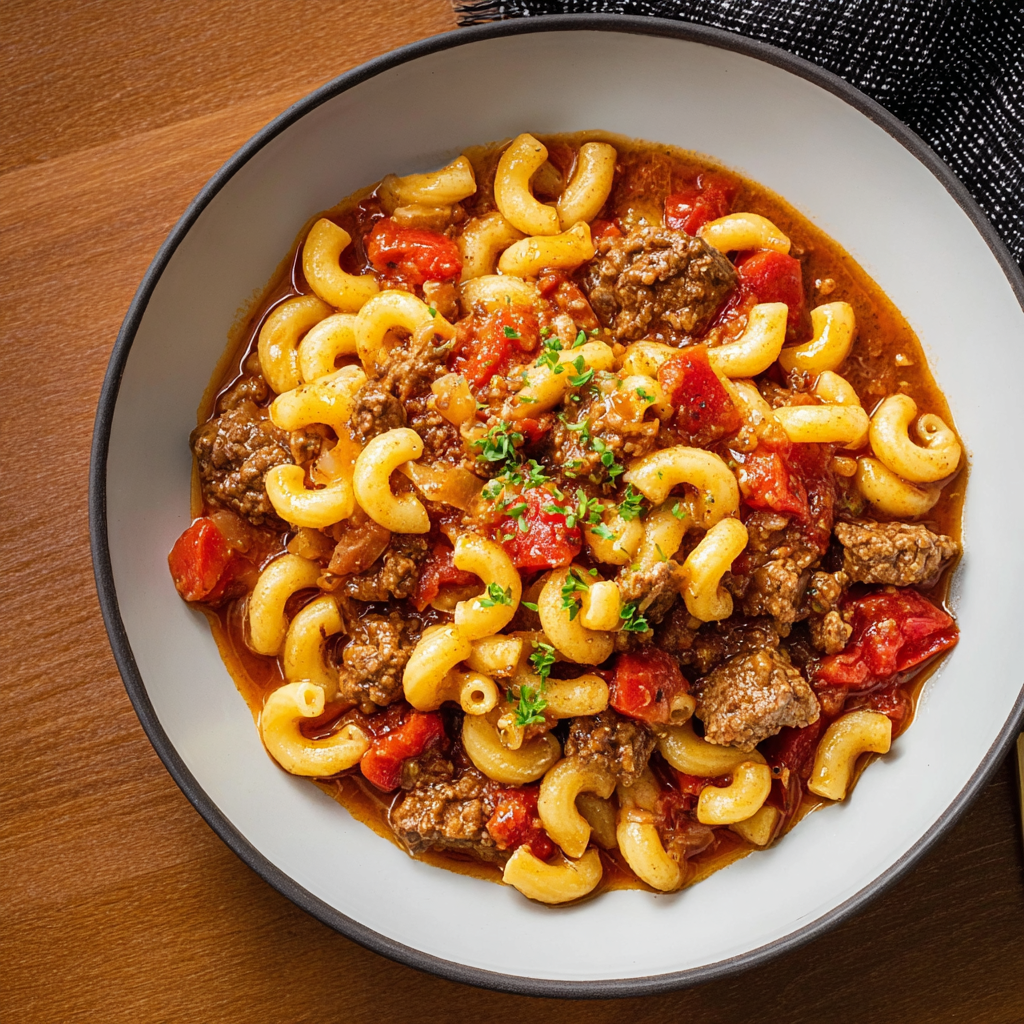
Puerto Rican Pernil: The Ultimate Authentic Guide to Perfect Slow-Roasted Pork Shoulder
Few dishes command a holiday table like Puerto Rican Pernil. With its deeply seasoned meat, fall-apart tenderness, and crackling cuerito, this iconic slow-roasted pork shoulder is the heart of Puerto Rican celebrations. From Christmas Eve (Nochebuena) to weddings and family reunions, pernil is more than a recipe — it is heritage carved into slices and shared with love.
The story of Puerto Rican pernil is rooted in centuries of culinary exchange. Spanish colonizers brought roasting techniques, while African and Taíno influences shaped seasoning traditions and communal feasting. If you want deeper context into how dishes like pernil define identity on the island, explore the rich background of <a href=”https://en.wikipedia.org/wiki/Puerto_Rican_cuisine” target=”_blank”>Puerto Rican culinary traditions</a>, which highlight how roast pork became central to celebrations and holiday meals.
Across the Caribbean, slow-roasted pork evolved into many regional expressions. Pernil shares lineage with lechón asado and other festive roasts that symbolize abundance and gathering. To better understand how this tradition developed across the region, this historical overview of the <a href=”https://www.smithsonianmag.com/arts-culture/why-roast-pig-is-the-ultimate-holiday-meal-180957906/” target=”_blank”>history of Caribbean roast pork</a> offers fascinating insight into its cultural significance.
In this complete, high-detail guide, you will learn:
The origins and cultural meaning of authentic Puerto Rican pernil
How to choose the best pork shoulder
A fully detailed step-by-step traditional recipe
Alternative cooking methods
Tips for achieving ultra-crispy cuerito
Storage, reheating, and troubleshooting solutions
Answers to common questions
What Is Puerto Rican Pernil?
Pernil is a bone-in pork shoulder roast marinated in a bold mixture of garlic, oregano, citrus, salt, and oil. It is then roasted slowly at low temperature until:
The meat becomes fork-tender
The fat renders slowly
The surface browns deeply
The skin crisps into golden crackling
Unlike quick pork roasts, authentic pernil depends on:
Long marination (24–48 hours preferred)
Deep seasoning penetration
Controlled low-and-slow roasting
A high-heat finish for crisp skin
The Cultural Significance of Pernil
In Puerto Rican homes, pernil represents:
Christmas (Navidad)
Nochebuena dinner
Three Kings Day celebrations
Family milestones and baptisms
Sunday gatherings
It often appears alongside:
Arroz con gandules
Tostones
Maduros
Puerto Rican potato salad
Pan sobao
For many families, the smell of garlic and oregano roasting signals that celebration has begun.
Choosing the Best Cut of Meat
The success of Puerto Rican pernil begins with selecting the right cut.
Best Choice: Bone-In Pork Shoulder (Paleta)
Look for:
6–10 pounds weight
Bone-in for enhanced flavor
Thick fat cap
Skin-on (essential for crispy cuerito)
Why Pork Shoulder Works
High fat content keeps meat moist
Collagen breaks down during slow roasting
Deep muscle fibers absorb marinade well
What to Avoid
Lean pork loin
Boneless trimmed roasts
Thin fat layer cuts
Fat equals flavor — and flavor defines authentic pernil.
Essential Ingredients for Authentic Flavor
The magic of Puerto Rican pernil lies in its marinade.
Core Marinade Ingredients
Fresh garlic (10–15 cloves)
Dried oregano
Olive oil
Salt
Black pepper
White vinegar or naranja agria (sour orange)
Optional Flavor Boosters
Sofrito
Recaito
Bay leaves
Adobo seasoning
Sazón packet
Substitution Tips
No sour orange? Combine orange juice + lime juice.
Use fresh oregano if available for brighter aroma.
Crush garlic into paste for best infusion.
Traditional Puerto Rican Pernil Recipe (Authentic Oven Method)
Ingredients
8 lb bone-in pork shoulder (skin on)
12 garlic cloves
2 tbsp oregano
3 tbsp olive oil
2 tbsp salt
1 tsp black pepper
3 tbsp vinegar or sour orange juice
2 bay leaves
Step 1: Prepare the Pork
Pat pork completely dry.
Score skin lightly without cutting into meat.
Create deep slits throughout the meat.
These slits allow the marinade to penetrate deeply.
Step 2: Prepare the Marinade
Mash garlic into smooth paste.
Combine with oregano, salt, pepper, oil, vinegar.
Taste marinade — it should be bold and aromatic.
Step 3: Marinate
Rub marinade into every slit.
Gently lift skin and season underneath.
Cover tightly and refrigerate 24–48 hours.
Turn once during marination.
Long marination is crucial for authentic flavor depth.
Step 4: Roast Low and Slow
Preheat oven to 300°F (150°C).
Place pork fat side up.
Cover loosely with foil.
Roast 35–40 minutes per pound.
For food safety, pork must reach the <a href=”https://www.fsis.usda.gov/food-safety/safe-food-handling-and-preparation/meat/safe-minimum-internal-temperature-chart” target=”_blank”>safe internal temperature for pork</a> of at least 145°F. However, for tender shreddable pernil, aim for 195–205°F internal temperature.
Step 5: Achieve Crispy Cuerito
Remove foil in final 30–45 minutes.
Increase oven to 425°F.
Roast until skin bubbles and crisps.
Broil briefly if necessary.
Tap the skin — it should sound crisp and hollow.
Alternative Cooking Methods
Slow Cooker Pernil
Pros:
Extremely tender meat
Easy, hands-off cooking
Cons:
Skin will not crisp
Requires oven finish
Instant Pot Pernil
Pressure cook 60–90 minutes
Finish under broiler
Caja China Method
Outdoor roasting box
Traditional for large gatherings
Exceptional skin crispness
Smoked Pernil
Smoke at 250°F
Use applewood or hickory
Finish high heat for crackling skin
How to Serve Puerto Rican Pernil
Serve pernil:
Shredded
Thick sliced
On sandwiches
Over rice
Traditional pairings:
Arroz con gandules
Tostones
Maduros
Fresh green salad
Mojo sauce
Make-Ahead, Storage & Reheating
Refrigeration
Store up to 4 days airtight.
Freezing
Freeze shredded meat (not skin).
Store up to 3 months.
Reheating
Reheat covered with broth.
Crisp skin separately in oven.
Troubleshooting Common Problems
Dry Meat
Roasted too hot
Insufficient marination
Lean cut used
Skin Not Crispy
Surface moisture present
Heat too low at finish
Too Salty
Balance with plain rice or beans
FAQ – People Also Ask
What is Puerto Rican pernil made of?
It’s a marinated pork shoulder roasted slowly until tender and crispy.
Is pernil the same as pork shoulder?
Yes — pernil refers to the seasoned preparation of pork shoulder.
How long does pernil cook?
Approximately 35–40 minutes per pound at 300°F.
Do you cook pernil covered?
Covered for most of cooking; uncovered at end for crisp skin.
Can pernil be made ahead?
Yes — it reheats beautifully and tastes even better next day.
Nutrition Overview
Approximate per serving:
450–550 calories
High protein
Rich in fat
Low carb (without sides)
Final Thoughts
Puerto Rican pernil is more than roasted pork. It represents:
Celebration
Family
Heritage
Culinary pride
Mastering this dish means mastering patience, seasoning balance, and the art of slow roasting.
When you slice into tender meat beneath crackling skin, you’re not just serving dinner — you’re honoring generations of tradition.