
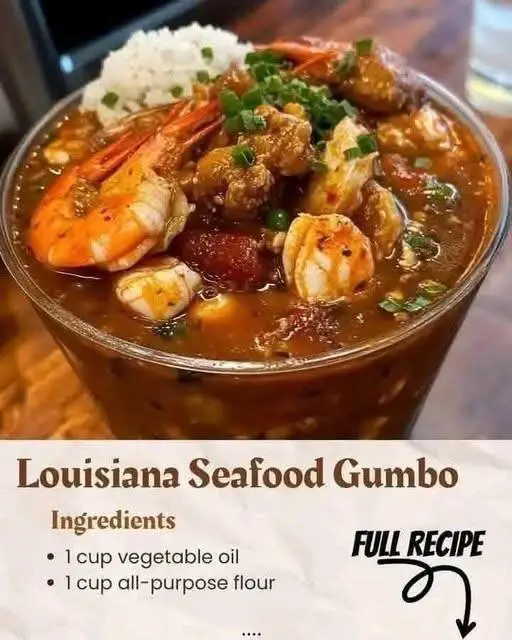
Louisiana Seafood Gumbo Recipe: The Ultimate Guide to Authentic New Orleans Flavor
There are few dishes in American cuisine as legendary, comforting, and culturally rich as a steaming bowl of Louisiana seafood gumbo. This iconic Southern masterpiece blends a deeply developed dark roux, the aromatic Holy Trinity, and fresh Gulf seafood into one bold, unforgettable dish. If you’ve ever wanted to master an authentic Louisiana seafood gumbo recipe, this comprehensive guide will walk you through everything — from history and technique to step-by-step cooking instructions and expert tips.
Gumbo is not just food; it is a symbol of Louisiana’s identity. According to the official state culinary resource, the Louisiana Seafood Gumbo guide (https://www.explorelouisiana.com/culinary/recipes/louisiana-seafood-gumbo-recipe), this dish represents generations of coastal cooking traditions built around fresh seafood, communal gatherings, and slow-simmered flavor. It highlights how local shrimp, crab, and oysters define the region’s culinary pride.
To understand gumbo fully, it helps to explore its evolution. A deeper dive into the History and variations of gumbo (https://www.theguardian.com/food/2025/jan/22/how-to-make-gumbo-recipe-felicity-cloake) explains how West African, French, Spanish, and Native American influences shaped what we now recognize as authentic New Orleans seafood gumbo. From filé powder introduced by Native Americans to the French technique of roux-making, every spoonful carries centuries of culinary fusion.
In this guide, you’ll learn:
What makes a gumbo truly Louisiana-style
How to create a perfect dark chocolate-colored roux
When to add seafood for maximum tenderness
The difference between Cajun and Creole gumbo
Storage, reheating, and troubleshooting tips
Serving traditions and authentic variations
Let’s begin with the foundation.
What Is Louisiana Seafood Gumbo?
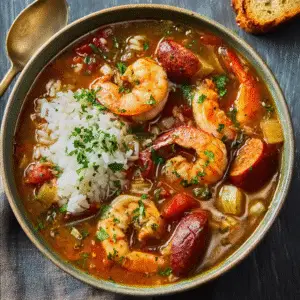
At its core, Louisiana seafood gumbo is a thick, richly flavored stew served over rice. But unlike typical soups, gumbo relies on carefully layered flavor development.
Its defining characteristics include:
A deeply toasted flour-and-oil roux
The vegetable base known as the Holy Trinity (onion, celery, green bell pepper)
Fresh Gulf seafood
Slow simmering
Optional thickening with okra or filé powder
Gumbo varies by region, family, and occasion. However, seafood gumbo is especially associated with coastal Louisiana and New Orleans, where shrimp boats and crab fisheries supply daily fresh ingredients.
The Cultural Roots of Gumbo
Understanding gumbo’s origins enhances appreciation for this dish.
African Influence
The word “gumbo” is believed to derive from the West African word for okra.
Okra was used as an early thickener.
French Influence
The roux technique comes directly from French culinary tradition.
Slow browning of flour and fat adds depth.
Native American Influence
Filé powder (ground sassafras leaves) was introduced as a thickener and flavor enhancer.
Spanish Influence
Spice layering and communal cooking traditions contributed to the dish’s evolution.
Today, gumbo stands as a culinary symbol of Louisiana’s multicultural heritage.
Key Elements of an Authentic Louisiana Seafood Gumbo Recipe
To master this dish, you must understand its core components.
1. The Dark Roux – The Heart of Gumbo
The most important element of an authentic Louisiana seafood gumbo recipe is the dark roux.
A roux is simply:
Fat (usually vegetable oil)
Flour
However, the magic lies in how long it is cooked.
Why the Roux Matters
It provides color
It builds nutty, smoky depth
It thickens the gumbo
It defines authenticity
The darker the roux:
The deeper the flavor
The less thickening power it retains
The more patience required
Roux Color Stages
Blonde (too light for seafood gumbo)
Peanut butter
Milk chocolate
Dark chocolate (ideal)
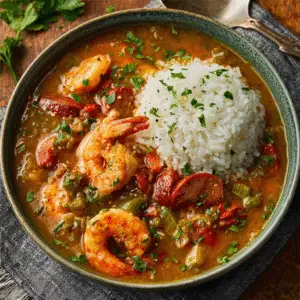
A properly made dark roux should resemble melted chocolate and smell nutty, not burnt.
2. The Holy Trinity
Louisiana cooking relies heavily on the Holy Trinity:
Onion
Celery
Green bell pepper
These vegetables:
Add aromatic depth
Balance seafood sweetness
Create the backbone of gumbo flavor
Garlic is often added as well, though technically separate from the Trinity.
3. Fresh Seafood Selection
The quality of seafood determines the final result.
Best Seafood Choices
Large shrimp (peeled and deveined)
Lump crab meat
Blue crab claws
Oysters
Crawfish tails (optional)
Pro Tips
Use fresh Gulf seafood if available.
Frozen shrimp works well if properly thawed.
Add delicate seafood at the end to prevent toughness.
4. Stock & Seasonings
A flavorful base enhances the roux and seafood.
Recommended Stock
Seafood stock (preferred)
Chicken stock (acceptable substitute)
Essential Seasonings
Bay leaves
Dried thyme
Cajun seasoning
Cayenne pepper
Black pepper
Worcestershire sauce
Hot sauce (optional)
Balance is key. Gumbo should be bold but not overpowering.
Step-by-Step Louisiana Seafood Gumbo Recipe
Now let’s build a traditional authentic New Orleans seafood gumbo from scratch.
Ingredients (Serves 6–8)
For the Roux
1 cup vegetable oil
1 cup all-purpose flour
Vegetables
1 large onion, diced
1 green bell pepper, diced
2 celery stalks, diced
4 garlic cloves, minced
Seafood
1 lb large shrimp
1 lb lump crab meat
1 cup oysters (optional)
Liquids & Seasoning
6 cups seafood stock
2 bay leaves
1 tsp dried thyme
2 tsp Cajun seasoning
½ tsp cayenne
Salt and pepper to taste
1 tsp filé powder (optional)
For Serving
Cooked white rice
Chopped parsley
Green onions
Cooking Instructions
Step 1: Make the Dark Roux
Heat oil in a heavy-bottomed pot.
Slowly whisk in flour.
Stir constantly over medium-low heat.
Cook 20–35 minutes until dark brown.
Never leave the pot unattended.
If it burns, discard and restart.
Step 2: Add the Holy Trinity
Stir onion, celery, and bell pepper into the roux.
Cook 5–7 minutes until softened.
Add garlic and cook 1 additional minute.
The vegetables will slightly cool the roux and deepen its aroma.
Step 3: Build the Gumbo Base
Slowly whisk in stock.
Add bay leaves and seasonings.
Bring to a gentle simmer.
Cook uncovered 30–45 minutes.
This stage develops body and flavor.
Step 4: Add Seafood
Add shrimp and cook 5–7 minutes.
Fold in crab meat.
Add oysters if using.
Simmer gently until shrimp turns pink.
Do not overcook seafood.
Step 5: Finish & Serve
Remove bay leaves.
Adjust seasoning.
Stir in filé powder after removing from heat.
Serve over white rice.
Garnish with green onions and parsley.
Cajun vs Creole Gumbo
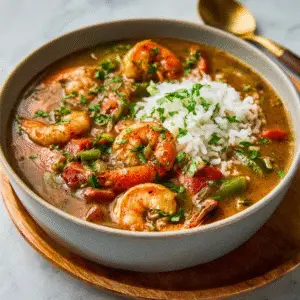
Understanding this distinction enhances authenticity.
Creole Gumbo
Often includes tomatoes
Associated with New Orleans
Slightly lighter roux
Cajun Gumbo
No tomatoes
Darker roux
More rustic style
Both versions are delicious and authentic in their own ways.
How to Thicken Gumbo Properly
If your gumbo is too thin:
Simmer longer to reduce
Add small additional roux
Use okra for natural thickening
Add filé powder off heat
Avoid cornstarch — it changes texture.
Common Mistakes to Avoid
Even experienced cooks can make errors.
Burnt Roux
Smells bitter
Must be discarded
Overcooked Seafood
Turns rubbery
Add near the end
Overseasoning Early
Flavors intensify during simmering
Season gradually
Skipping Rest Time
Gumbo improves after resting 15–20 minutes
What to Serve with Louisiana Seafood Gumbo
Traditional pairings include:
Steamed long-grain white rice
French bread
Cornbread
Potato salad
Sweet iced tea
In Louisiana, potato salad is sometimes placed directly inside the gumbo bowl.
Make-Ahead & Storage Tips
Gumbo tastes better the next day.
Storage
Refrigerate up to 3 days
Freeze up to 3 months
Reheating
Warm slowly over low heat
Add fresh shrimp when reheating if possible
Seafood Safety Tips
For best results:
Shrimp internal temperature: 120–140°F
Do not boil seafood aggressively
Store seafood below 40°F before cooking
Freshness determines flavor quality.
Variations of Louisiana Seafood Gumbo
You can customize while maintaining authenticity.
Andouille Addition
Adds smokiness
Okra-Heavy Gumbo
Thicker texture
More vegetal flavor
Spicier Version
Increase cayenne
Add extra hot sauce
Slow Cooker Adaptation
Prepare roux separately
Combine and simmer on low 4–6 hours
Frequently Asked Questions
What makes gumbo Louisiana-style?
A dark roux, Holy Trinity vegetables, and regional seafood traditions define it.
When should seafood be added?
During the final 10–15 minutes.
Is filé powder required?
Optional but traditional for thickening and flavor.
Can gumbo be frozen?
Yes, though seafood texture may soften.
How long does a roux take?
20–35 minutes with constant stirring.
Final Thoughts
A properly prepared Louisiana seafood gumbo recipe is more than a meal — it is a culinary ritual. From the slow patience required to build a dark roux to the careful timing of delicate seafood, every step contributes to the final bowl of comfort.
By following this guide, you now understand:
The cultural roots of gumbo
How to construct deep flavor
The importance of technique
Authentic ingredient choices
How to troubleshoot and customize
Take your time. Respect the process. Let the aromas fill your kitchen.