
Beans on Toast: The Ultimate Guide to Britain’s Comfort Food, History, Variations, Nutrition, and How to Make It Perfectly
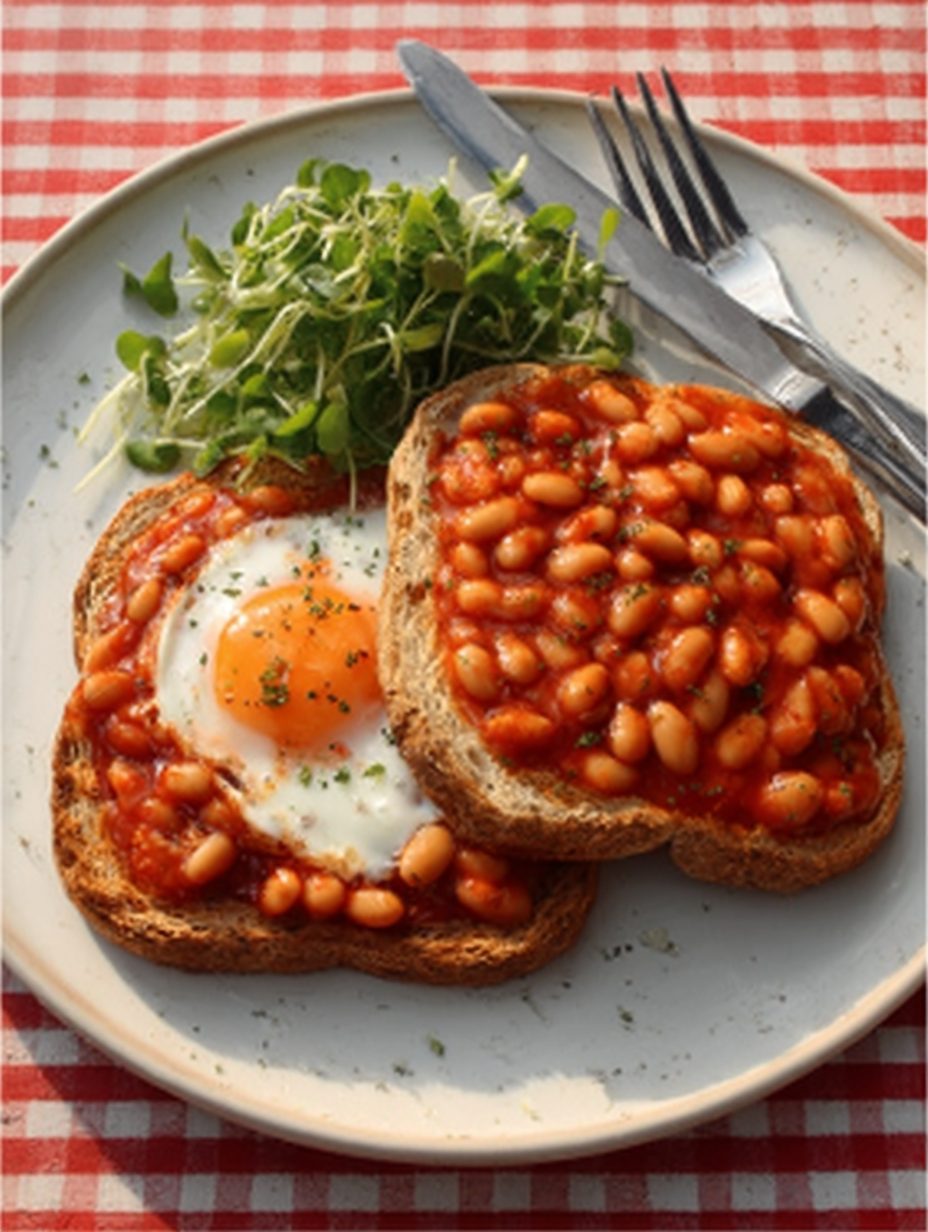
Beans on toast is one of the most iconic and enduring dishes in British cuisine. Simple, affordable, and deeply comforting, this humble meal has been a staple of British households for generations. At its core, beans on toast is exactly what the name suggests: baked beans in tomato sauce spooned generously over slices of toasted bread. Yet behind this simplicity lies a powerful cultural symbol and a dish that has adapted to changing tastes, lifestyles, and nutritional awareness.
Often associated with childhood meals, late-night snacks, student life, and quick family dinners, beans on toast occupies a unique place in British food culture. It is not considered fancy or aspirational, yet it is universally understood, emotionally resonant, and widely loved. Few dishes demonstrate so clearly that comfort and satisfaction do not require complexity.
To understand where beans on toast comes from and why it became so deeply ingrained in everyday British life, it is useful to look at its historical and cultural background. A clear overview of its origins, variations, and cultural role is documented here:
👉 Beans on Toast — History & Overview
Equally important is understanding the key ingredient — beans. Beans are nutritionally dense, versatile, and globally significant. Their role in diets around the world, including their nutritional benefits, is explained in this authoritative resource:
👉 Beans — Culinary Uses and Nutrition
What Is Beans on Toast?
Beans on toast is a traditional British dish consisting of:
-
Toasted bread
-
Baked beans in tomato sauce
While it may appear basic, the dish relies on balance:
-
Soft beans against crisp toast
-
Sweet and savory tomato sauce
-
Warmth and simplicity
Common Names and References
-
Beans on toast
-
Beans & toast
-
British baked beans on toast
Unlike many dishes, beans on toast does not have a fixed recipe. It is highly adaptable and varies depending on household preferences, available ingredients, and regional habits.
The Origins and History of Beans on Toast
Early Influences
The history of beans on toast is closely tied to two developments:
-
The industrial production of canned foods
-
The increasing accessibility of bread
Baked beans in tomato sauce were popularized in the United Kingdom in the late 19th and early 20th centuries, inspired in part by American canned bean products. However, British baked beans evolved into a less sweet, more tomato-forward version.
Post-War Britain and Everyday Food
After World War II:
-
Food rationing encouraged affordable meals
-
Canned foods became household staples
-
Bread was widely available
Beans on toast became a practical solution:
-
Cheap
-
Filling
-
Easy to prepare
By the mid-20th century, it was firmly established as an everyday meal rather than an occasional dish.
Why Beans on Toast Became So Popular
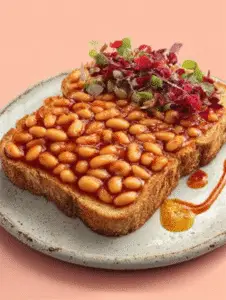
Several factors explain the enduring popularity of beans on toast:
-
Affordability: Low cost for a filling meal
-
Convenience: Minimal preparation and cooking time
-
Nutrition: Provides protein, fiber, and carbohydrates
-
Comfort: Warm, familiar, and satisfying
Unlike trend-driven foods, beans on toast remains relevant precisely because it does not try to change its identity.
Core Ingredients of Beans on Toast
Baked Beans
-
Typically haricot (navy) beans
-
Cooked in tomato sauce
-
Mildly sweet and savory
British baked beans differ from American versions:
-
Less sugary
-
No molasses
-
Tomato-forward flavor
Bread
-
White sandwich bread is traditional
-
Whole wheat or sourdough are modern alternatives
-
Toast level varies by preference
Butter (Optional but Common)
-
Spread on toast before beans
-
Adds richness and flavor
The Importance of Balance in Beans on Toast
While simple, beans on toast benefits from thoughtful preparation.
Key considerations:
-
Toast should be crisp enough to support beans
-
Beans should be hot but not watery
-
Sauce consistency matters
Too much liquid can make the toast soggy; too little can make the dish dry.
The Science Behind Why Beans on Toast Is So Satisfying
Beans on toast works because it delivers:
-
Protein from beans
-
Complex carbohydrates from bread
-
Fiber for satiety
-
Warmth and softness for comfort
This combination triggers both physical fullness and emotional satisfaction.
Beans also have a low glycemic index, helping maintain steady energy levels.
Classic Beans on Toast Recipe (Step-by-Step)
Ingredients (Serves 1)
-
1 can baked beans
-
2 slices bread
-
Butter (optional)
-
Salt and pepper (optional)
Instructions
-
Toast the bread until golden and crisp
-
Heat baked beans gently in a saucepan
-
Butter the toast if desired
-
Spoon hot beans over toast
-
Season lightly and serve immediately
This simplicity is the essence of beans on toast.
Common Variations of Beans on Toast
While the classic version is beloved, many variations exist.
Popular Add-Ons
-
Grated cheese
-
Fried or poached egg
-
Sausages
-
Bacon
-
Mushrooms
Cheese on Beans on Toast
-
Cheddar is most common
-
Melted directly on hot beans
-
Adds richness and saltiness
Regional and Cultural Variations
United Kingdom
-
Most common form
-
Often eaten for breakfast or tea
Ireland
-
Similar preparation
-
Sometimes served with soda bread
Australia and New Zealand
-
Inspired by British tradition
-
Often paired with eggs
Beans on Toast as a Breakfast, Lunch, or Dinner
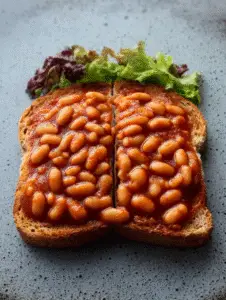
One reason beans on toast endures is its flexibility.
It can be eaten as:
-
Breakfast
-
Quick lunch
-
Light dinner
-
Late-night snack
Few dishes function across so many meal times.
Nutrition and Health Benefits of Beans on Toast
Despite its reputation as “simple food,” beans on toast is nutritionally balanced.
Nutritional Highlights
-
Plant-based protein
-
Dietary fiber
-
Iron
-
B vitamins
Beans are associated with:
-
Improved digestion
-
Heart health
-
Sustained energy
Healthier Adjustments
-
Use whole-grain bread
-
Choose low-salt beans
-
Add vegetables
Is Beans on Toast Healthy?
Yes — especially when:
-
Portion sizes are reasonable
-
Ingredients are minimally processed
-
Added fats are controlled
It is often recommended as a:
-
Budget-friendly meal
-
Vegetarian staple
-
Student-friendly option
Common Mistakes to Avoid
-
Using cold beans
-
Watery sauce
-
Overloading toast
-
Skipping seasoning entirely
Small details make a difference.
Beans on Toast for Vegetarians and Vegans
Beans on toast is naturally:
-
Vegetarian
-
Often vegan
To keep it vegan:
-
Skip butter or use plant-based spreads
-
Check baked bean ingredients
Elevating Beans on Toast (Modern Takes)
Contemporary versions include:
-
Sourdough toast
-
Homemade baked beans
-
Chili-spiced beans
-
Garlic butter toast
These versions elevate the dish while respecting its roots.
Beans on Toast in British Culture
Beans on toast is more than food — it is cultural shorthand.
It represents:
-
Simplicity
-
Reliability
-
Comfort
It appears frequently in:
-
British television
-
Literature
-
Everyday conversation
Mentioning beans on toast instantly conveys familiarity and modesty.
Beans on Toast vs Similar Dishes
| Dish | Base | Complexity |
|---|---|---|
| Beans on toast | Beans + bread | Very simple |
| Beans and rice | Beans + rice | Moderate |
| Full English breakfast | Multiple items | Complex |
Storage and Reheating
-
Beans can be reheated safely
-
Toast should be made fresh
-
Avoid reheating assembled dish
FAQs About Beans on Toast
Is beans on toast British?
Yes — it is a British classic.
Is it eaten every day?
Often, especially as a quick meal.
Can you add eggs?
Yes — fried or poached eggs are popular.
Is it suitable for kids?
Very — it’s mild, soft, and nutritious.
Why Beans on Toast Still Matters Today
In an era of viral food trends and complex recipes, beans on toast remains relevant because:
-
It is accessible
-
It is comforting
-
It is honest
It does not compete with gourmet cuisine — it fulfills a different purpose.
Final Thoughts
Beans on toast proves that great food does not need to be complicated. With just a few humble ingredients, it delivers warmth, nourishment, and a sense of home. Its endurance across generations speaks to its practicality and emotional resonance.