
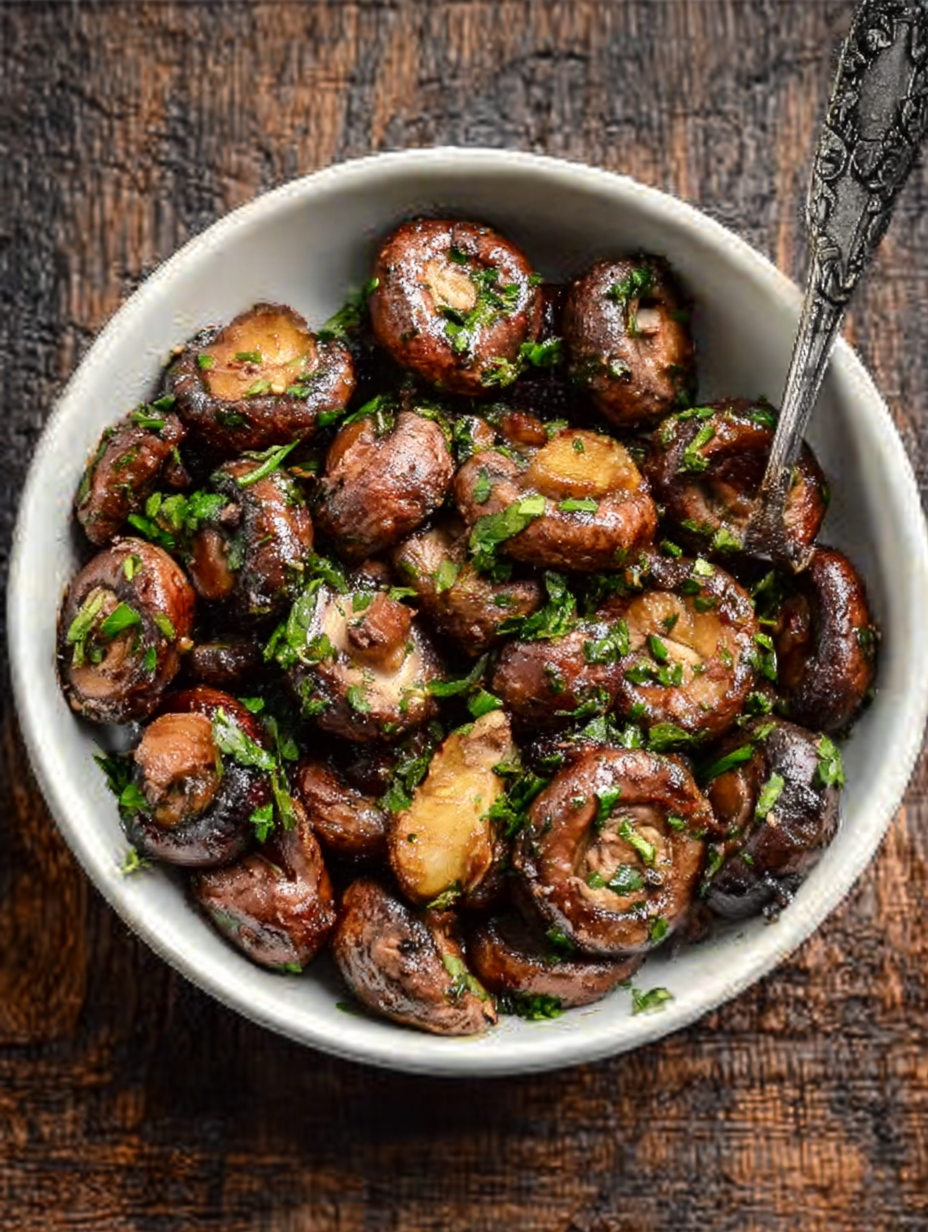
Roasted Mushrooms: The Ultimate Guide to Flavor, Technique, Nutrition, and Perfect Oven Roasting
Roasted mushrooms are one of the most underrated yet powerful side dishes in modern cooking. Deeply savory, richly caramelized, and incredibly versatile, mushrooms transform in the oven from mild and spongy to intensely flavorful with crisp edges and meaty texture. Whether served as a side, folded into pasta, layered on toast, or used as a plant-based main, roasted mushrooms deliver maximum flavor with minimal effort.
Unlike sautéed mushrooms, which release moisture quickly, roasting mushrooms concentrates flavor through dry heat. This process enhances umami, creates golden-brown edges, and brings out the natural earthiness of the mushroom. Because mushrooms pair beautifully with herbs, garlic, butter, olive oil, and spices, they appear in cuisines across the world — from rustic European cooking to modern plant-forward menus.
To fully appreciate why roasted mushrooms are so effective and widely used, it helps to understand mushrooms themselves — their structure, culinary role, and nutritional value. A clear overview of mushrooms as food, including varieties and uses, can be found here:
👉 Mushroom — Culinary Uses and Overview
Equally important is understanding why roasting works so well. The chemical reactions responsible for browning and flavor development — especially the Maillard reaction — are central to roasting vegetables like mushrooms. This process is clearly explained in this scientific overview:
👉 Maillard Reaction — Food Browning Explained
What Are Roasted Mushrooms?
Roasted mushrooms are mushrooms cooked in the oven at high heat with fat (usually oil or butter) until:
-
Moisture evaporates
-
Surfaces brown
-
Edges crisp
-
Flavors concentrate
Unlike boiling or steaming, roasting allows mushrooms to:
-
Develop umami depth
-
Retain structure
-
Avoid sogginess
Why Roasting Is Ideal for Mushrooms
-
Mushrooms are over 80% water
-
High heat drives off moisture
-
Browning creates savory complexity
This makes roasted mushrooms more flavorful than most other cooking methods.
Why Roasted Mushrooms Are So Popular
The popularity of roasted mushrooms comes from their unique combination of qualities:
-
Umami-rich flavor similar to meat
-
Versatility across cuisines and diets
-
Ease of preparation
-
Plant-based appeal
They are especially valued in:
-
Vegetarian and vegan cooking
-
Mediterranean diets
-
Modern comfort food
Few ingredients offer as much flavor with so little processing.
Types of Mushrooms Best for Roasting
Not all mushrooms roast the same way.
Best Mushrooms for Roasting
Button Mushrooms
-
Mild flavor
-
Widely available
-
Roast well when halved
Cremini (Baby Bella)
-
Deeper flavor than button mushrooms
-
Excellent caramelization
Portobello
-
Large and meaty
-
Ideal for main dishes
Shiitake
-
Strong umami flavor
-
Slightly chewy texture
Oyster Mushrooms
-
Delicate
-
Crisp beautifully at the edges
Each variety brings a different texture and intensity to roasted mushroom dishes.
Cleaning and Preparing Mushrooms Properly
Mushrooms should be cleaned gently.
Best Cleaning Methods
-
Brush off dirt with a cloth
-
Rinse briefly if necessary
-
Dry thoroughly before roasting
Important:
Mushrooms absorb water easily. Excess moisture prevents browning.
Cutting Mushrooms for Roasting
-
Halve small mushrooms
-
Quarter large ones
-
Keep pieces similar in size
Uniform size ensures even roasting.
The Science Behind Perfect Roasted Mushrooms
Why Mushrooms Brown in the Oven
-
Water evaporates
-
Surface temperature rises
-
Sugars and amino acids react
This creates:
-
Golden-brown color
-
Nutty, savory aromas
-
Crispy texture
Ideal Roasting Conditions
-
High heat: 400–425°F (200–220°C)
-
Wide pan (avoid overcrowding)
-
Enough fat to coat, not drown
Crowding mushrooms causes steaming instead of roasting.
Oils and Fats for Roasted Mushrooms
The choice of fat affects flavor and texture.
Best Options
-
Olive oil (classic, versatile)
-
Butter (rich, indulgent)
-
Ghee (high heat, nutty)
-
Avocado oil (neutral, high smoke point)
How Much Fat to Use
-
Enough to lightly coat
-
Excess oil leads to greasiness
Mushrooms release water first, then absorb fat — timing matters.
Seasoning Roasted Mushrooms for Maximum Flavor
Simple seasoning works best.
Classic Seasonings
-
Salt
-
Black pepper
-
Garlic
Herb Options
-
Thyme
-
Rosemary
-
Sage
-
Parsley
Umami Boosters
-
Soy sauce
-
Miso
-
Parmesan (added after roasting)
-
Balsamic vinegar
Salt mushrooms before roasting to help draw out moisture.
Classic Roasted Mushrooms Recipe (Step-by-Step)
Ingredients (Serves 4)
-
500 g mushrooms (cremini or mixed)
-
2–3 tbsp olive oil
-
3 cloves garlic, smashed
-
Salt and black pepper
-
Fresh thyme or rosemary
Instructions
-
Preheat oven to 425°F (220°C)
-
Clean and cut mushrooms evenly
-
Toss mushrooms with oil, salt, pepper, and garlic
-
Spread in a single layer on a baking sheet
-
Roast 20–30 minutes, stirring once
-
Finish with fresh herbs
Result: deeply browned, tender roasted mushrooms with crisp edges.
Common Mistakes to Avoid
-
Overcrowding the pan
-
Using low oven temperature
-
Skipping salt
-
Adding watery ingredients too early
Small adjustments make a big difference.
Texture and Flavor Profile of Roasted Mushrooms
Texture
-
Firm yet tender
-
Crisp edges
-
Juicy interior
Flavor
-
Deeply savory
-
Earthy
-
Slightly nutty
Roasting transforms mushrooms into something far more complex than their raw state.
Roasted Mushrooms as a Side Dish
They pair well with:
-
Steak
-
Chicken
-
Fish
-
Pasta
They also complement:
-
Mashed potatoes
-
Polenta
-
Rice
Their umami depth enhances almost any main dish.
Roasted Mushrooms as a Main Dish
Because of their meaty texture, mushrooms work well as mains.
Ideas include:
-
Portobello mushroom steaks
-
Mushroom grain bowls
-
Roasted mushrooms on toast
-
Mushroom tacos
This makes roasted mushrooms ideal for plant-based meals.
Nutrition and Health Benefits of Roasted Mushrooms
Mushrooms are low in calories and high in nutrients.
Nutritional Highlights
-
B vitamins
-
Selenium
-
Potassium
-
Antioxidants
They are:
-
Naturally low in fat
-
Cholesterol-free
-
Suitable for many diets
Roasting preserves nutrients while improving digestibility.
Are Roasted Mushrooms Healthy?
Yes — especially when:
-
Roasted with moderate oil
-
Paired with whole foods
-
Not over-salted
They fit well into:
-
Vegetarian diets
-
Vegan diets
-
Mediterranean diets
Flavor Variations for Roasted Mushrooms
Mediterranean Style
-
Olive oil
-
Garlic
-
Thyme
-
Lemon zest
Asian-Inspired
-
Soy sauce
-
Sesame oil
-
Ginger
French-Style
-
Butter
-
Shallots
-
Herbs de Provence
Spicy
-
Chili flakes
-
Smoked paprika
-
Cayenne
These variations keep roasted mushrooms exciting and adaptable.
Roasted Mushrooms for Meal Prep
They store and reheat well.
Storage
-
Refrigerate up to 4 days
-
Store in airtight container
Reheating
-
Oven or skillet preferred
-
Avoid microwave for crispness
Roasted Mushrooms vs Sautéed Mushrooms
| Method | Texture | Flavor |
|---|---|---|
| Roasted mushrooms | Crisp + tender | Concentrated |
| Sautéed mushrooms | Soft | Mild |
Roasting emphasizes depth; sautéing emphasizes moisture.
Using Leftover Roasted Mushrooms
Leftovers can be used in:
-
Omelets
-
Pasta sauces
-
Risotto
-
Grain bowls
-
Sandwiches
Their flavor intensifies over time.
FAQs About Roasted Mushrooms
Should mushrooms be washed before roasting?
Yes, briefly — then dried thoroughly.
Why are my mushrooms soggy?
Pan overcrowding or low oven heat.
Can I roast frozen mushrooms?
Not recommended — they release too much water.
Do mushrooms shrink when roasted?
Yes — they lose water and concentrate flavor.
Cultural Importance of Mushrooms in Cooking
Across cultures, mushrooms are prized for:
-
Umami
-
Texture
-
Versatility
Roasting highlights these qualities better than most methods.
Why Roasted Mushrooms Belong in Every Kitchen
Roasted mushrooms are:
-
Simple
-
Affordable
-
Nutritious
-
Flavor-packed
They elevate everyday meals without complexity.
Final Thoughts
Roasted mushrooms prove that technique matters as much as ingredients. With proper heat, spacing, and seasoning, mushrooms transform into a dish that is deeply savory, satisfying, and endlessly adaptable.
Whether served as a side, a topping, or a main, roasted mushrooms deserve a permanent place in your cooking rotation — a reminder that humble ingredients, treated well, can deliver extraordinary results.