
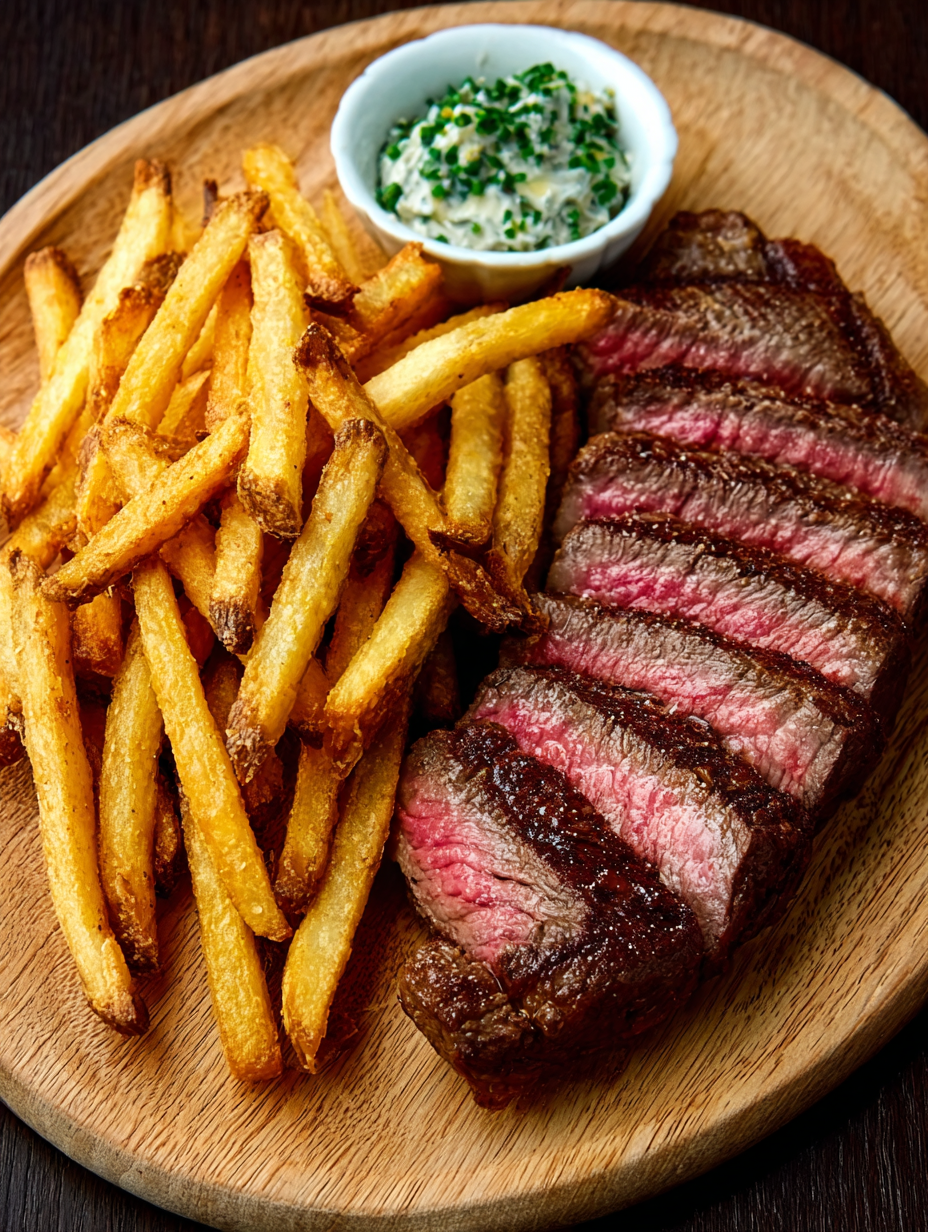
Steak and Fries: The Ultimate Guide to History, Cuts of Steak, Perfect Fries, Cooking Methods, Nutrition, and Variations
Steak and fries — also known as steak frites — is one of the most iconic meals in the world. Simple in composition yet endlessly refined, this dish represents the perfect balance between richness and comfort. A well-cooked steak paired with crispy fries delivers contrast in texture, flavor, and temperature that few meals can rival.
From Parisian bistros to American steakhouses, steak and fries has become a global standard for indulgence. Despite having only two main components, the dish carries centuries of culinary tradition, technical precision, and cultural symbolism. The choice of steak cut, the method of cooking, the type of potatoes, and even the oil used for frying all play a critical role in defining the final experience.
To understand why steak and fries achieved such universal popularity, it helps to look at its historical and cultural roots. A concise overview of the origins and evolution of steak frites is documented here:
👉 Steak Frites — History & Overview
Equally important is understanding the foundation of the dish: beef. The culinary and nutritional role of beef, including different cuts and their characteristics, is outlined in this authoritative reference:
👉 Beef — Cuts, Uses, and Nutrition
What Is Steak and Fries?
Steak and fries is a dish consisting of:
-
A pan-seared or grilled steak
-
Deep-fried or pan-fried potatoes
While deceptively simple, the dish relies on precision rather than complexity. Each element must be executed correctly for the meal to succeed.
Common Names
-
Steak and fries
-
Steak frites
-
Beef steak with fries
Core Characteristics
-
High-protein main component (steak)
-
Crispy, starchy side (fries)
-
Minimal seasoning
-
Emphasis on ingredient quality
The Origins and History of Steak and Fries
European Roots
The origins of steak and fries are most strongly associated with France and Belgium. In French cuisine, steak frites became a bistro staple during the 19th century, valued for its affordability, speed, and satisfaction.
Key historical factors:
-
Beef became more accessible with industrial slaughterhouses
-
Potatoes were widely cultivated across Europe
-
Frying techniques improved with better oils and cookware
French bistros popularized the dish as a no-frills meal for workers, artists, and intellectuals.
Global Expansion
As French culinary culture spread:
-
Steak frites entered fine dining menus
-
The dish migrated to the United States
-
American steakhouses adopted and adapted it
In the U.S., steak and fries became associated with:
-
Hearty portions
-
Premium beef cuts
-
Casual luxury dining
Why Steak and Fries Became a Classic
Several factors explain the enduring appeal of steak and fries:
-
Simplicity: Only two main ingredients
-
Contrast: Juicy steak vs. crispy fries
-
Adaptability: Works with many cuts and seasonings
-
Universality: Found in countless cuisines
Unlike heavily sauced or complex dishes, steak and fries highlights technique rather than disguise.
Understanding Steak: Cuts, Texture, and Flavor
Choosing the right steak is essential.
Popular Steak Cuts for Steak and Fries
1. Ribeye
-
High fat content
-
Rich, beefy flavor
-
Best for pan-searing
2. Sirloin
-
Leaner
-
Affordable
-
Firm texture
3. Strip Steak (New York Strip)
-
Balanced fat and tenderness
-
Clean beef flavor
4. Filet Mignon
-
Extremely tender
-
Mild flavor
-
Often paired with sauces
5. Flank or Skirt Steak
-
Strong beef flavor
-
Requires slicing against the grain
Steak Cooking Methods Explained
Pan-Seared Steak
Best for:
-
Ribeye
-
Strip steak
Key points:
-
Use cast iron
-
High heat
-
Finish with butter basting
Grilled Steak
Best for:
-
Sirloin
-
Flank steak
Advantages:
-
Smoky flavor
-
Fat rendering
Reverse Sear
-
Low oven temperature first
-
High-heat sear at the end
-
Excellent doneness control
Steak Doneness Guide
-
Rare: 120–125°F (cool red center)
-
Medium-rare: 130–135°F (warm red center)
-
Medium: 140–145°F (pink center)
-
Medium-well: 150–155°F
-
Well-done: 160°F+
Medium-rare is traditionally preferred for steak and fries.
Seasoning Steak the Right Way
Classic seasoning includes:
-
Coarse salt
-
Black pepper
Optional additions:
-
Garlic
-
Thyme
-
Butter
Rule: Season generously, but never mask the beef.
Fries: The Perfect Companion
Fries are not just a side — they are half the dish.
Best Potatoes for Fries
-
Russet potatoes
-
High starch content
-
Low moisture
Fry Styles
-
Thin-cut fries
-
Thick-cut fries
-
Shoestring fries
-
Belgian-style fries
How to Make Perfect Fries
Double-Fry Method (Classic)
-
First fry at 300°F (150°C) to cook inside
-
Rest and cool
-
Second fry at 375°F (190°C) for crispness
Oven Fries (Healthier Option)
-
Toss with oil
-
Bake at high heat
-
Less crisp but lighter
Frying Oils
-
Beef tallow (traditional)
-
Peanut oil
-
Sunflower oil
Seasoning and Saucing Fries
Common seasonings:
-
Salt
-
Paprika
-
Garlic powder
Classic sauces:
-
Ketchup
-
Aioli
-
Béarnaise
-
Peppercorn sauce
Nutrition and Health Considerations
Steak and fries is calorie-dense but nutritionally rich.
Nutritional Highlights
-
High-quality protein
-
Iron and zinc
-
B vitamins
According to nutritional references on beef:
-
Steak supports muscle maintenance
-
Iron aids oxygen transport
Fries contribute:
-
Carbohydrates
-
Energy
-
Fiber (when skins are left on)
Healthier Adjustments
-
Leaner steak cuts
-
Smaller portions
-
Air-fried potatoes
Steak and Fries Around the World
France
-
Served rare
-
Often with green salad
Belgium
-
Thick fries
-
Fried in beef fat
United States
-
Large portions
-
Variety of sauces
Argentina
-
Chimichurri sauce
-
Grass-fed beef
Variations of Steak and Fries
Popular variations include:
-
Steak frites with béarnaise
-
Garlic butter steak and fries
-
Cajun-spiced steak and fries
-
Chimichurri steak and fries
-
Steak and sweet potato fries
Common Mistakes to Avoid
-
Overcooking steak
-
Not resting meat
-
Underseasoning fries
-
Using low-heat oil
FAQs About Steak and Fries
What cut of steak is best for steak and fries?
Ribeye or strip steak are ideal.
Why rest steak before serving?
It allows juices to redistribute.
Are fries better fried once or twice?
Twice — for crispness.
Is steak and fries unhealthy?
It can be enjoyed in moderation.
Final Thoughts
Steak and fries endures because it respects fundamentals. When quality ingredients meet proper technique, simplicity becomes excellence. Whether served in a Parisian café or cooked at home, this dish rewards attention, patience, and restraint.