
Century Eggs: The Complete Guide to History, Meaning, Production, Taste, Nutrition, and Cultural Significance
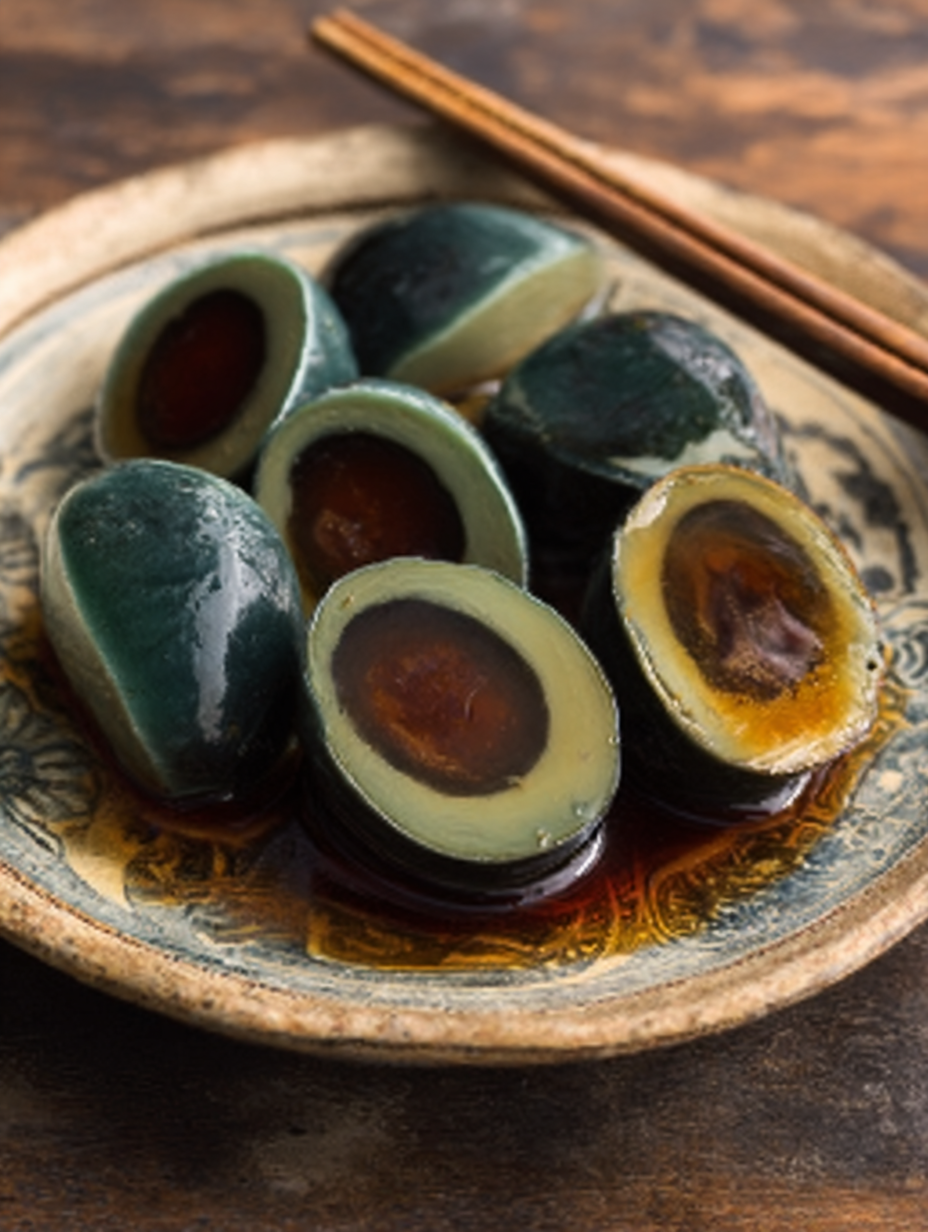
Century eggs are among the most fascinating, misunderstood, and culturally rich foods in the world. Known for their dark, translucent whites and creamy, greenish yolks, these preserved eggs have intrigued — and sometimes shocked — people encountering them for the first time. Despite their dramatic appearance, century eggs are a centuries-old delicacy deeply rooted in Chinese culinary tradition.
Often referred to as preserved eggs, thousand-year eggs, or pidan, century eggs are not actually aged for centuries. Instead, they undergo a carefully controlled preservation process that transforms ordinary duck, chicken, or quail eggs into a complex food with a bold aroma, umami depth, and silky texture.
To understand what century eggs truly are — beyond myths and viral videos — it’s helpful to start with their documented background. A detailed historical and cultural overview of century eggs can be found in this authoritative reference:
👉 Century Egg — Origins & Overview
Today, century eggs are enjoyed across East and Southeast Asia and are increasingly recognized worldwide as a unique example of traditional food preservation. Museums and cultural institutions have even examined their science and symbolism, including this exploration of how preserved foods like century eggs reflect human ingenuity:
👉 Smithsonian: The Science and History of Preserved Foods
What Are Century Eggs?
Century eggs are preserved eggs made by curing fresh eggs in an alkaline mixture for several weeks to months. The process alters the egg’s chemical structure, producing dramatic changes in color, texture, flavor, and aroma.
Despite their name, century eggs:
Are not fermented
Are not rotten
Are not hundreds of years old
Instead, they are intentionally transformed through alkaline preservation — a technique developed long before refrigeration existed.
Common Names for Century Eggs
Century egg
Thousand-year egg
Preserved egg
Pidán (皮蛋, Mandarin)
Húndàn (in some regional dialects)
The Origins and History of Century Eggs
Ancient Preservation Techniques
The origins of century eggs date back more than 600 years, likely to the Ming Dynasty in China. At the time, food preservation was essential for survival, especially in warm climates where fresh protein spoiled quickly.
Early preservation relied on:
Salt curing
Smoking
Drying
Alkaline mineral mixtures
Eggs proved particularly suitable for preservation due to their natural shell barrier.
How Century Eggs Were Discovered
Legend suggests that preserved eggs were discovered accidentally when duck eggs were left in alkaline mud or lime-rich soil. Instead of spoiling, the eggs transformed — developing unique textures and flavors that people learned to replicate intentionally.
Over time, the technique was refined and passed down through generations.
Why Are They Called Century Eggs?
The name century egg is poetic rather than literal. It reflects:
The egg’s ancient appearance
The dramatic transformation
The perception of “timelessness”
In Chinese culture, evocative names are common in food traditions and often emphasize symbolism rather than precision.
How Century Eggs Are Made (Traditional and Modern Methods)
Traditional Method
Historically, century eggs were made using a mixture of:
Clay or ash
Lime (calcium oxide)
Salt
Rice husks or straw
The eggs were:
Coated in the mixture
Wrapped in husks
Buried or stored for weeks to months
Modern Food-Safe Method
Today’s commercial century eggs are produced under regulated conditions using food-safe alkaline compounds.
The modern process includes:
Controlled alkaline curing
Temperature regulation
Hygienic packaging
Safety testing
This ensures century eggs are safe, consistent, and shelf-stable.
The Science Behind Century Eggs
The transformation of century eggs is driven by chemistry, not decay.
What Happens Inside the Egg
High alkalinity breaks down egg proteins
Proteins reorganize into gel-like structures
Sulfur compounds form, contributing to aroma
Yolk fats emulsify into a creamy texture
Why the Egg Turns Dark
The egg white becomes translucent and amber-black
The yolk turns green-gray due to sulfur and iron reactions
This process is similar to other alkaline-treated foods, such as lutefisk or nixtamalized corn.
Texture, Flavor, and Aroma of Century Eggs
Texture
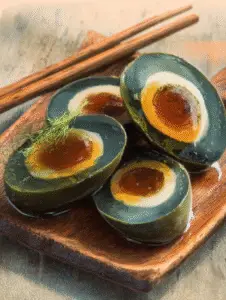
White: firm, jelly-like, smooth
Yolk: creamy, custard-like, spreadable
Flavor Profile
Savory
Umami-rich
Slightly salty
Mildly mineral
Aroma
Often compared to ammonia or sulfur
Strong at first, mellows quickly
Important note: A strong smell does not mean spoilage.
How Century Eggs Are Eaten
Century eggs are rarely eaten alone. They are paired with complementary foods that balance their intensity.
Common Serving Methods
Sliced with ginger and soy sauce
Served with tofu
Added to rice porridge (congee)
Mixed into salads
Used as a topping or garnish
Classic Pairings
Fresh ginger
Pickled vegetables
Sesame oil
Vinegar
These elements:
Reduce perceived bitterness
Enhance umami
Refresh the palate
Century Eggs in Chinese Cuisine
Century eggs hold an important place in traditional dishes.
Famous Dishes Featuring Century Eggs
Century egg and pork congee
Cold tofu with century egg
Century egg salad
Dim sum plates
They are valued for:
Contrast in texture
Visual appeal
Depth of flavor
Cultural Significance of Century Eggs
Beyond taste, century eggs carry cultural meaning.
They symbolize:
Preservation of tradition
Respect for ancestral methods
Culinary craftsmanship
In some regions, they are served:
During festivals
As gifts
At banquets
Nutrition and Health Profile of Century Eggs
Despite myths, century eggs are nutritious.
Nutritional Highlights
High-quality protein
Healthy fats
Iron
Zinc
Vitamin B12
Medical nutrition references confirm that preserved eggs retain much of their original nutritional value:
👉 Egg Nutrition Overview
Are Century Eggs Safe?
Yes — when produced correctly.
Commercial products are regulated
Lead-free production is now standard
Home-made versions are not recommended
Myths and Misconceptions About Century Eggs
Common Myths
“They’re rotten” ❌
“They’re toxic” ❌
“They’re centuries old” ❌
Reality
They are preserved, not spoiled
They are safe when commercially produced
They are intentionally transformed
How to Store Century Eggs
Store unopened at room temperature
Refrigerate after opening
Consume within 1–2 weeks once peeled
How to Buy Quality Century Eggs
When buying century eggs, look for:
Clear labeling
Reputable brands
Intact shells
No leaks or cracks
Avoid:
Unlabeled imports
Homemade versions
Products without food safety certification
Comparing Century Eggs to Other Preserved Eggs
| Type | Preservation Method | Flavor |
|---|---|---|
| Century egg | Alkaline curing | Umami, mineral |
| Salted egg | Salt curing | Salty, rich |
| Pickled egg | Vinegar | Tangy |
FAQs About Century Eggs
What are century eggs made of?
Eggs cured in an alkaline mixture of lime, ash, and salt.
Do century eggs taste bad?
No — they taste savory and rich, not rotten.
Are century eggs healthy?
Yes, in moderation.
Why do century eggs smell strong?
Alkaline reactions release sulfur compounds.
Can you eat century eggs raw?
They are ready-to-eat after curing.
Final Thoughts on Century Eggs
Century eggs are a remarkable example of human creativity in food preservation. What may seem unusual at first glance is, in reality, a carefully engineered delicacy with centuries of cultural significance behind it.
By understanding century eggs — their history, science, and role in cuisine — we move beyond fear and into appreciation. They remind us that food is not just nourishment, but heritage, experimentation, and identity.
If you approach century eggs with curiosity rather than judgment, you may discover one of the most intriguing flavors in the culinary world.