
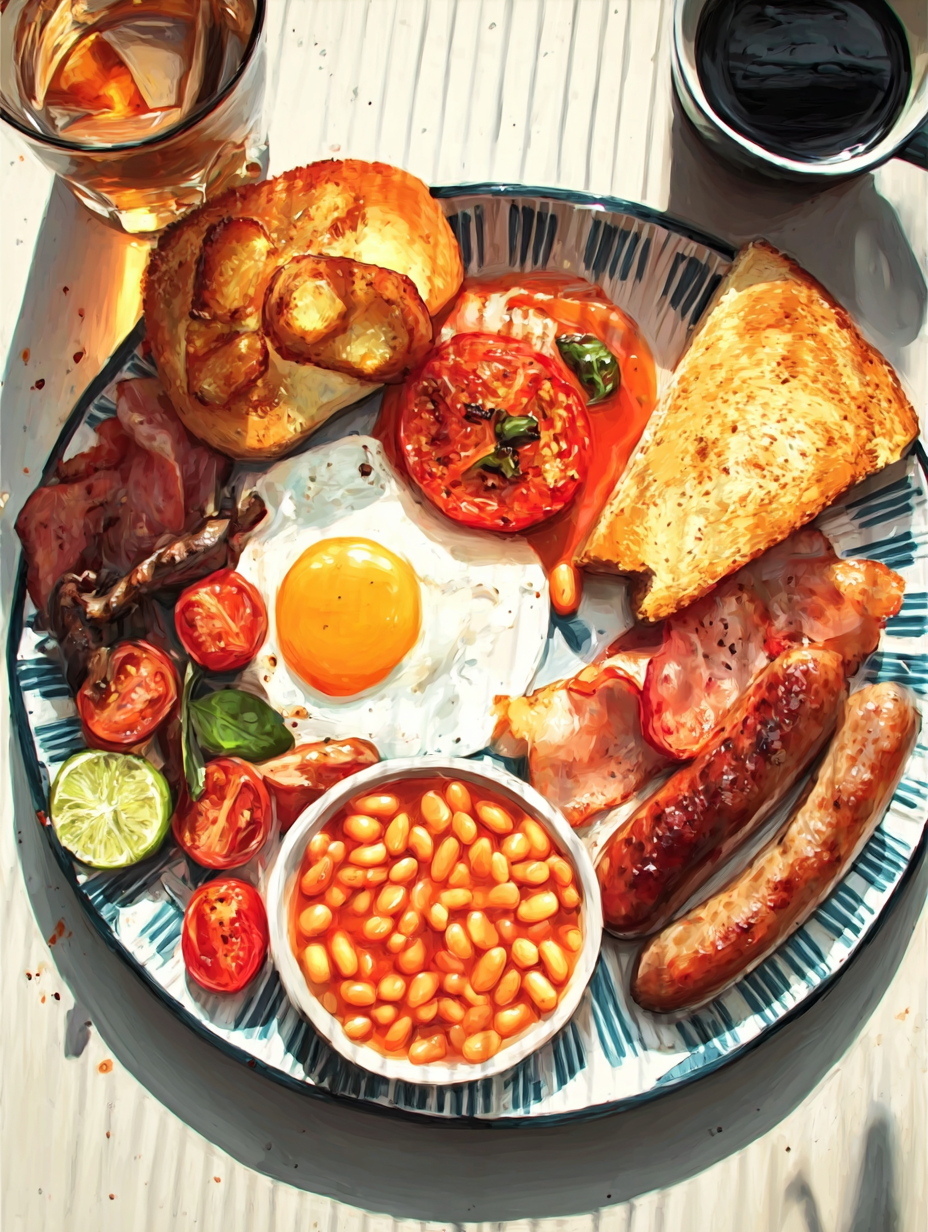
Full English Breakfast: The Ultimate Guide to History, Components, Variations, Nutrition, and How to Make It Perfectly
The Full English Breakfast is one of the most iconic and recognizable meals in the world. Often referred to as a traditional English breakfast or simply a fry-up, this hearty morning meal is deeply embedded in British food culture. Known for its generous portions and savory richness, the Full English Breakfast is more than just food — it is a cultural institution.
Composed of fried eggs, bacon, sausages, baked beans, tomatoes, mushrooms, and toast, the Full English Breakfast has long symbolized comfort, sustenance, and tradition. Whether enjoyed in a countryside inn, a London café, or at home on a slow weekend morning, this classic meal continues to thrive despite changing dietary trends.
To understand the origins and structure of the Full English Breakfast, it helps to explore its historical background and traditional components. A comprehensive overview of its evolution and cultural importance can be found here:
👉 Full Breakfast — History & Overview
Equally important is understanding the nutritional and culinary role of its core ingredients, particularly pork products such as bacon and sausages. An authoritative explanation of these ingredients and their place in British cuisine is available here:
👉 Breakfast Meats — Culinary Uses and Nutrition
What Is a Full English Breakfast?
A Full English Breakfast is a traditional British meal typically served in the morning, consisting of a combination of fried, grilled, and baked items. While exact components vary by region and household, a classic version usually includes:
Fried or scrambled eggs
Bacon (back bacon preferred)
Pork sausages
Baked beans
Grilled tomatoes
Sautéed mushrooms
Toast or fried bread
The defining feature of the Full English Breakfast is abundance. Unlike light continental breakfasts, it is designed to be filling and sustaining.
Common Names
Full English Breakfast
Traditional English breakfast
English fry-up
Full breakfast
The History and Origins of the Full English Breakfast
Early Roots in British Society
The origins of the Full English Breakfast can be traced back to 19th-century Britain. During this period, breakfast was considered an important meal for providing energy before a long day of physical labor.
Early influences include:
Aristocratic country house breakfasts
Agricultural working-class meals
Availability of preserved meats
By the Victorian era, a hearty breakfast became a marker of hospitality and respectability.
Industrialization and Popularization
As Britain industrialized:
Bacon and sausages became more affordable
Urban workers needed calorie-dense meals
Cafés and boarding houses standardized breakfast offerings
By the early 20th century, the Full English Breakfast was firmly established as a national staple.
Why the Full English Breakfast Became So Popular
Several factors explain the enduring popularity of the Full English Breakfast:
Satiation: High protein and fat content
Availability: Ingredients were easy to source
Flexibility: Components could be added or removed
Cultural identity: Symbol of British tradition
Even today, it remains a go-to comfort meal for many people.
Traditional Components of a Full English Breakfast
While variations exist, the classic Full English Breakfast is built around a core set of ingredients.
Eggs
Fried (sunny-side up or over easy)
Scrambled (soft, not dry)
Bacon
Traditionally back bacon
Less fatty than streaky bacon
Smoked or unsmoked
Sausages
Pork sausages are standard
Mildly seasoned
Often referred to as “bangers”
Baked Beans
Typically canned in tomato sauce
Provide sweetness and moisture
Tomatoes
Halved and grilled
Lightly seasoned
Mushrooms
Sautéed in butter or oil
Often button or chestnut mushrooms
Bread
Toasted bread
Fried bread (optional but traditional)
Optional and Regional Additions
Depending on region and preference, a Full English Breakfast may also include:
Black pudding
White pudding
Hash browns
Bubble and squeak
These additions are more common in modern or regional versions.
Regional Variations of the Full English Breakfast
Full Scottish Breakfast
Includes haggis
Tattie scones
Black pudding
Full Irish Breakfast
White pudding
Soda bread
Potato farls
Full Welsh Breakfast
Laverbread (seaweed dish)
Cockles
Despite differences, all variations share the same hearty spirit.
Cooking Techniques for a Perfect Full English Breakfast
Timing and Coordination
The challenge of a Full English Breakfast lies in cooking multiple items simultaneously.
Best practices:
Start with sausages (longest cooking time)
Grill tomatoes while frying bacon
Cook eggs last
Cooking Methods
Fry bacon and eggs in a pan
Grill sausages for even browning
Keep cooked items warm in a low oven
Step-by-Step: How to Make a Classic Full English Breakfast
Ingredients (Serves 2)
4 pork sausages
4 slices back bacon
4 eggs
1 cup baked beans
2 tomatoes, halved
1 cup mushrooms
4 slices bread
Butter, oil, salt, pepper
Instructions
Cook sausages in a pan or oven until browned and cooked through
Fry bacon until crisp but not dry
Sauté mushrooms in butter
Grill tomatoes cut-side up
Warm baked beans gently
Fry eggs to desired doneness
Toast or fry bread
Plate everything together and serve immediately
The Science Behind the Full English Breakfast
The appeal of the Full English Breakfast lies in its balance:
Protein from eggs and meat
Fat for satiety
Carbohydrates from beans and bread
Umami from mushrooms and grilled meats
This combination triggers both physical fullness and psychological comfort.
Nutrition and Health Considerations
The Full English Breakfast is calorie-dense but nutritionally diverse.
Nutritional Highlights
High protein
Iron and zinc
B vitamins
Energy-dense fats
According to nutrition references, eggs and pork products provide essential nutrients when consumed in moderation.
Healthier Adjustments
Grill instead of fry
Use lean sausages
Reduce portion sizes
Add grilled vegetables
When Is a Full English Breakfast Eaten?
Traditionally:
Served in the morning
Popular on weekends
Modern habits:
Enjoyed as brunch
Served all day in cafés
Cultural Significance of the Full English Breakfast
The Full English Breakfast represents:
Hospitality
Comfort
National identity
It is often associated with:
British hotels
Roadside cafés
Family gatherings
Despite global food trends, it remains deeply cherished.
Common Mistakes to Avoid
Overcooking eggs
Dry sausages
Cold beans
Greasy presentation
FAQs About the Full English Breakfast
What makes a breakfast “full”?
The inclusion of multiple cooked components.
Is a Full English Breakfast healthy?
In moderation, yes.
Can it be vegetarian?
Yes, with meat alternatives.
Is it eaten every day?
Traditionally no — more common on weekends.
Modern Takes on the Full English Breakfast
Contemporary adaptations include:
Vegetarian full English
Vegan versions
Gourmet café interpretations
Lighter brunch plates
These versions respect tradition while adapting to modern tastes.
Full English Breakfast vs Continental Breakfast
| Feature | Full English | Continental |
|---|---|---|
| Cooked food | Yes | No |
| Protein | High | Low |
| Calories | High | Moderate |
| Satety | Very filling | Light |
Final Thoughts
The Full English Breakfast endures because it delivers comfort, nourishment, and tradition in one plate. While modern diets may favor lighter options, this iconic meal remains a symbol of British culinary heritage.
Whether you enjoy it occasionally or make it a weekend ritual, mastering the Full English Breakfast is about balance, timing, and respect for its classic components.