
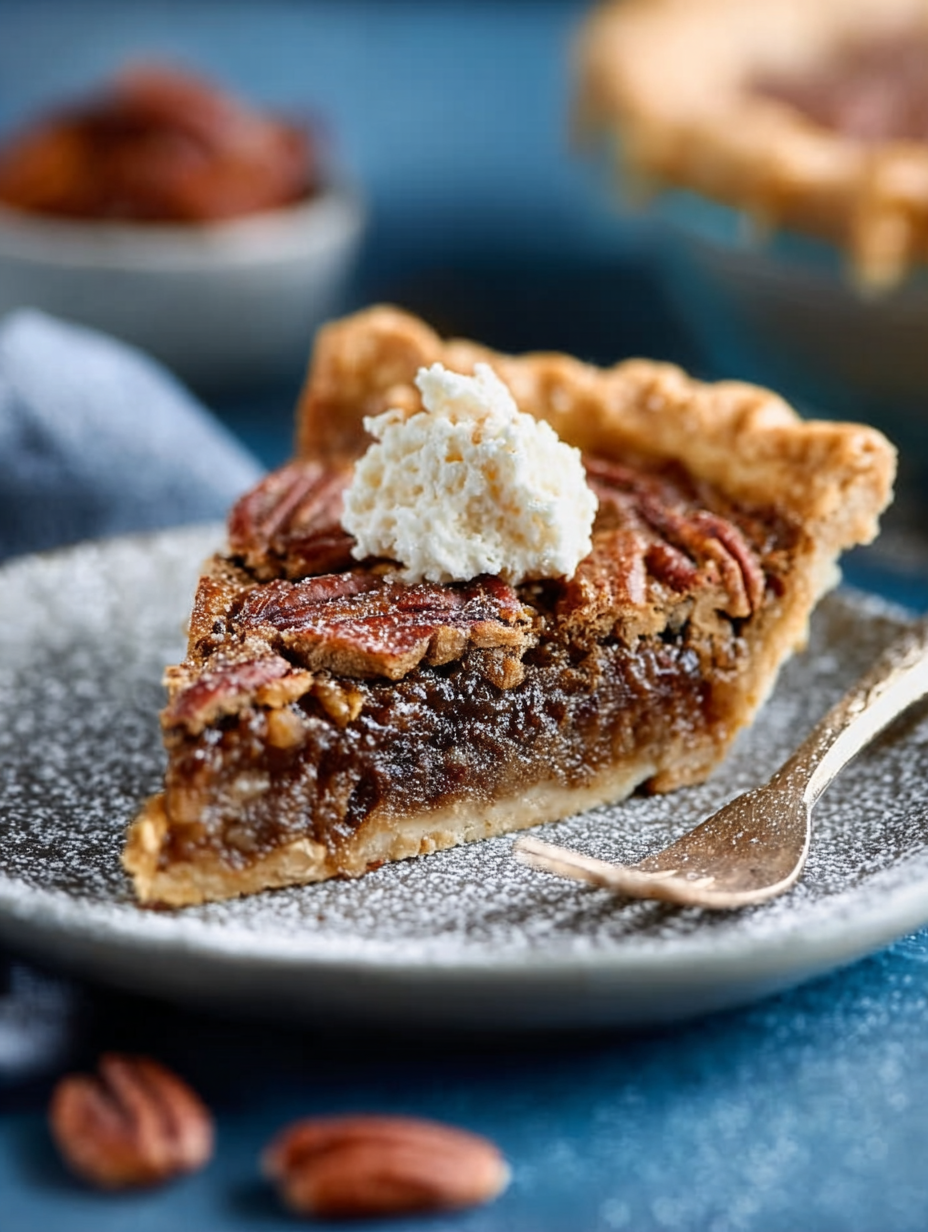
Pecan Pie: The Complete Guide to History, Ingredients, Recipe, Variations, Nutrition, and Expert Tips
Pecan pie is one of the most iconic desserts in American cuisine. Rich, nutty, sweet, and deeply comforting, it represents far more than a simple baked good. For many households, pecan pie is inseparable from Thanksgiving, Christmas, and family gatherings. Its glossy pecan topping, gooey custard center, and buttery crust make it instantly recognizable and endlessly beloved.
Despite its simplicity, pecan pie has a fascinating history, precise baking science, and countless variations. From traditional Southern recipes to modern, corn-syrup-free adaptations, this dessert continues to evolve while remaining true to its roots. This article is designed as a definitive 4,000-word resource that covers everything you need to know about pecan pie, whether you are a home baker, food blogger, or culinary enthusiast.
You will learn:
What pecan pie is and why it became so popular
The origins and cultural history behind it
A deep breakdown of ingredients and baking science
A step-by-step classic pecan pie recipe
Troubleshooting common problems
Nutrition and health considerations
Creative variations and serving ideas
Answers to the most common People Also Ask questions
What Is Pecan Pie?
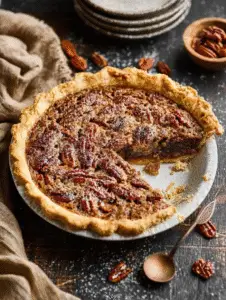
Pecan pie is a traditional American dessert made from a pastry crust filled with a sweet custard mixture and topped with pecans. The filling typically includes:
Eggs
Sugar or corn syrup
Butter
Vanilla
Salt
When baked, these ingredients form a soft, set custard with a caramel-like flavor, while the pecans toast gently on top, adding crunch and depth.
According to culinary references and historical records, pecan pie became widely known in the early 20th century. Its basic structure is documented in detail in this authoritative overview of pecan pie origins and composition, which explains how the dessert evolved into its modern form:
👉 Pecan Pie — Origins & Overview
Today, pecan pie is most commonly associated with:
Thanksgiving dinners
Southern U.S. cuisine
Holiday dessert tables
Traditional American baking
The History and Cultural Origins of Pecan Pie
The story of pecan pie begins with the pecan tree itself. Pecans are native to North America, particularly the southern regions that now include Texas, Louisiana, and Mississippi. Indigenous peoples harvested pecans centuries before European colonization, using them in both savory dishes and early sweets.
Early Roots
Before pecan pie as we know it existed:
Pecans were eaten raw or roasted
Nuts were added to custard-style desserts
Early settlers adapted local ingredients into European baking traditions
The first recognizable pecan custard pies appeared in regional cookbooks in the late 1800s, though they were not yet standardized.
The Rise of Modern Pecan Pie
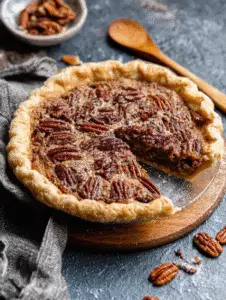
The widespread popularity of pecan pie accelerated in the early 1900s, largely due to the commercial promotion of corn syrup. Food companies encouraged home cooks to use syrup as a reliable sweetener that produced consistent results.
Modern culinary testing has refined these early recipes. A professionally tested breakdown of ingredient ratios, baking times, and texture control can be found in this respected resource:
👉 Guardian’s Tested Pecan Pie Method
By the mid-20th century:
Pecan pie became a Thanksgiving staple
It was strongly associated with Southern identity
Texas later declared it its official state pie
Why Pecan Pie Became a Holiday Staple
Several factors explain why pecan pie became synonymous with holidays:
Seasonality: Pecans are harvested in autumn
Shelf-stable ingredients: Sugar, syrup, and nuts were easy to store
Richness: Ideal for celebratory meals
Make-ahead friendly: Can be baked days in advance
Unlike fruit pies, pecan pie does not rely on fresh produce, making it practical for winter holidays.
Core Ingredients Explained (Why Each One Matters)
Understanding the role of each ingredient is essential to mastering pecan pie.
Pecans
Provide crunch and flavor
Halves create a classic appearance
Chopped pecans create a denser texture
Toasting enhances aroma
Sweeteners (Corn Syrup, Sugar, Alternatives)
Corn syrup prevents crystallization
Brown sugar adds molasses depth
Maple syrup creates a softer set
Honey intensifies sweetness
Eggs
Form the custard structure
Too many eggs = rubbery filling
Too few eggs = runny pie
Butter
Adds richness and smooth mouthfeel
Enhances caramel notes
Pie Crust
All-butter crust gives best flavor
Blind baking prevents sogginess
The Baking Science Behind Pecan Pie
At its core, pecan pie is a baked custard.
What Happens in the Oven
Eggs coagulate at 160–170°F (71–77°C)
Sugar slows protein tightening
Syrup stabilizes texture
Why Corn Syrup Is Traditionally Used
Prevents sugar crystals
Creates glossy, smooth filling
Improves slice-ability
How to Tell When It’s Done
Center jiggles slightly
Edges are fully set
Internal temperature ~170°F
Classic Pecan Pie Recipe (Step-by-Step)
Ingredients
1 unbaked 9-inch pie crust
1 cup light corn syrup
¾ cup brown sugar
3 large eggs (room temperature)
¼ cup unsalted butter, melted
1½ cups pecan halves
1 tsp vanilla extract
½ tsp salt
Instructions
Preheat oven to 350°F (175°C)
Whisk syrup, sugar, eggs, butter, vanilla, and salt
Arrange pecans in the crust
Pour filling evenly over pecans
Bake 50–60 minutes
Cool completely before slicing
Pro Tip: Cover crust edges with foil if browning too fast.
Troubleshooting Common Pecan Pie Problems
Runny Filling
Underbaked
Not cooled long enough
Soggy Crust
No blind bake
Filling poured too hot
Cracked Surface
Overbaked
Oven temperature too high
Burnt Pecans
Toasted before baking
No foil shield used
Nutrition and Health Considerations
Pecan pie is an indulgent dessert, but it does contain nutritional benefits.
Nutritional Highlights
High in calories
Rich in healthy fats
Contains antioxidants
According to verified medical nutrition databases, pecans provide monounsaturated fats and micronutrients. You can review reliable data here:
👉 Pecan Pie Nutrition Facts
Healthier Modifications
Reduce sugar by 20%
Use maple syrup
Serve smaller portions
Serving and Pairing Ideas
Best ways to serve pecan pie:
Warm with vanilla ice cream
With whipped cream or crème fraîche
Perfect pairings:
Coffee
Black tea
Bourbon or port wine
Storage, Freezing, and Make-Ahead Tips
Refrigerate up to 4 days
Freeze whole pie up to 2 months
Thaw overnight in fridge
Reheat at 300°F
Creative Pecan Pie Variations
Popular variations include:
Bourbon pecan pie
Chocolate pecan pie
Maple pecan pie
Mini pecan pies
Pecan pie bars
Each version offers a unique balance of sweetness and texture.
Frequently Asked Questions About Pecan Pie
What is pecan pie made of?
Pecans, eggs, sugar or syrup, butter, and pie crust.
Is pecan pie Southern?
Yes, it is closely tied to Southern U.S. cuisine.
Can you make pecan pie without corn syrup?
Yes, maple syrup or honey can be used with adjustments.
How long does pecan pie last?
Up to four days refrigerated.
Final Thoughts
Pecan pie remains a timeless dessert because it perfectly blends tradition, flavor, and technique. From its Indigenous roots to modern holiday tables, this classic pie continues to adapt while retaining its soul.
Master the fundamentals, respect the science, and don’t be afraid to experiment. Whether you bake it once a year or every season, pecan pie will always reward patience and care.